

Emotional Intelligence Coaching for Senior Leaders
When pressure rises, emotional intelligence becomes leadership leverage
London-based, global delivery | ICF PCC | EMCC Senior Practitioner | Hogan Certified | MSc Coaching & Behaviour Change | Former Fortune 100 transformation, innovation and leadership development
A private 30-minute session to think clearly and plan your next step with confidence.
Executive Coaching Results (in numbers)
- 4.9/5.0
- Client Satisfaction
- 333+
- Senior Leaders Coached
- 63+
- Nationalities Coached Worldwide
- 102+
- Organisations Partnered With
- 803+
- Participants Trained in Transformation & Behaviour Change
Updated:
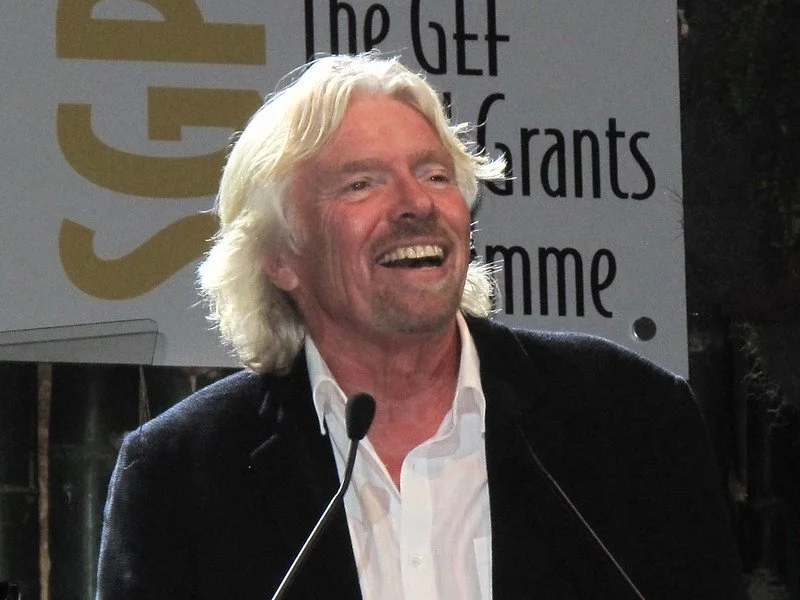
“Being emotionally intelligent is more important in every aspect of life - and this includes business.”
Richard Branson, Virgin Group founder..
Accredited - Evidence-based - Trusted Worldwide



Coaching for Emotional Intelligence

Emotional Intelligence (EI) coaching for executives is no longer a “soft skill” - it’s a strategic advantage. Leaders with high emotional intelligence (EQ) can navigate complex relationships, inspire teams, and make clear-headed decisions under pressure. Whether you lead a global team, manage cross-functional stakeholders, or oversee high-value projects, developing EQ will elevate your leadership from effective to exceptional. If your role also requires you to lead across cultures, geographies or internationally diverse stakeholder groups, explore my Cross-Cultural Executive Coaching for Global Leaders.

Definition of Emotional Intelligence…
“A set of emotional and social skills that influence the way we perceive and express ourselves, develop and maintain social relationships, cope with challenges and use emotional information in an effective and meaningful way”
Daniel Goleman (1995), and originating from original research by Peter Salovey and John Mayer (1990)
Emotional Intelligence - A Brief History
The concept of emotional intelligence has evolved over nearly a century. In the 1920s, psychologist Edward Thorndike introduced the idea of “social intelligence” - the skill of understanding and managing people.
Decades later, researchers Peter Salovey and John Mayer formally defined emotional intelligence as the ability to recognise, understand, and manage emotions in ourselves and others. The term entered mainstream leadership conversations in 1995 when Daniel Goleman’s best-selling book highlighted EQ as a key driver of success.
Today, emotional intelligence is recognised as a measurable, developable skill - one that’s essential for effective leadership.

Client Testimonials from Enterprise & High-Growth Leaders
“I highly recommend Edwin for any organization or individuals who truly wish to transform.”
Christina S. Vice President (Tax) USA
“Edwin has been able to bring out a more refined leader in me.”
Jaipal, S. Supply Chain Ldr. DE&I & STEM Advocate

"Emotional Intelligence isn’t optional - it’s transformative. High-EQ leaders are 4.7 x more likely to succeed, retain 4 x more team loyalty, and deliver 56% greater organisational performance."
Why Emotional Intelligence Matters for Senior Leaders
Emotional intelligence is not a “nice-to-have”. It directly shapes how leaders think, decide and relate to the people around them.
Research shows that emotional intelligence is modestly but consistently linked to job performance and leadership effectiveness – particularly in roles that require collaboration, influence and change. Leaders with stronger EI tend to handle pressure better, communicate more clearly, and build stronger relationships with colleagues and stakeholders.
For individual leaders, higher emotional intelligence helps you to:
Stay composed under pressure and avoid reactive decisions
Read the room, not just the data, in high-stakes conversations
Navigate conflict without escalation or avoidance
Hold difficult conversations with more clarity and respect
For teams, emotionally intelligent leadership creates:
Greater psychological safety – people feel safe to speak up and share concerns early
More constructive debate and less “polite avoidance”
Better collaboration across functions, locations and cultures
Stronger engagement and trust in the leader
For the wider organisation, emotionally intelligent leadership supports:
More effective execution of change and transformation
Reduced friction between teams and functions
Better retention of high-potential talent
A culture where issues surface early rather than staying hidden
In short: emotional intelligence changes how leadership feels and how work actually gets done. It shows up in everyday behaviour – especially under pressure – and that is where coaching focuses.
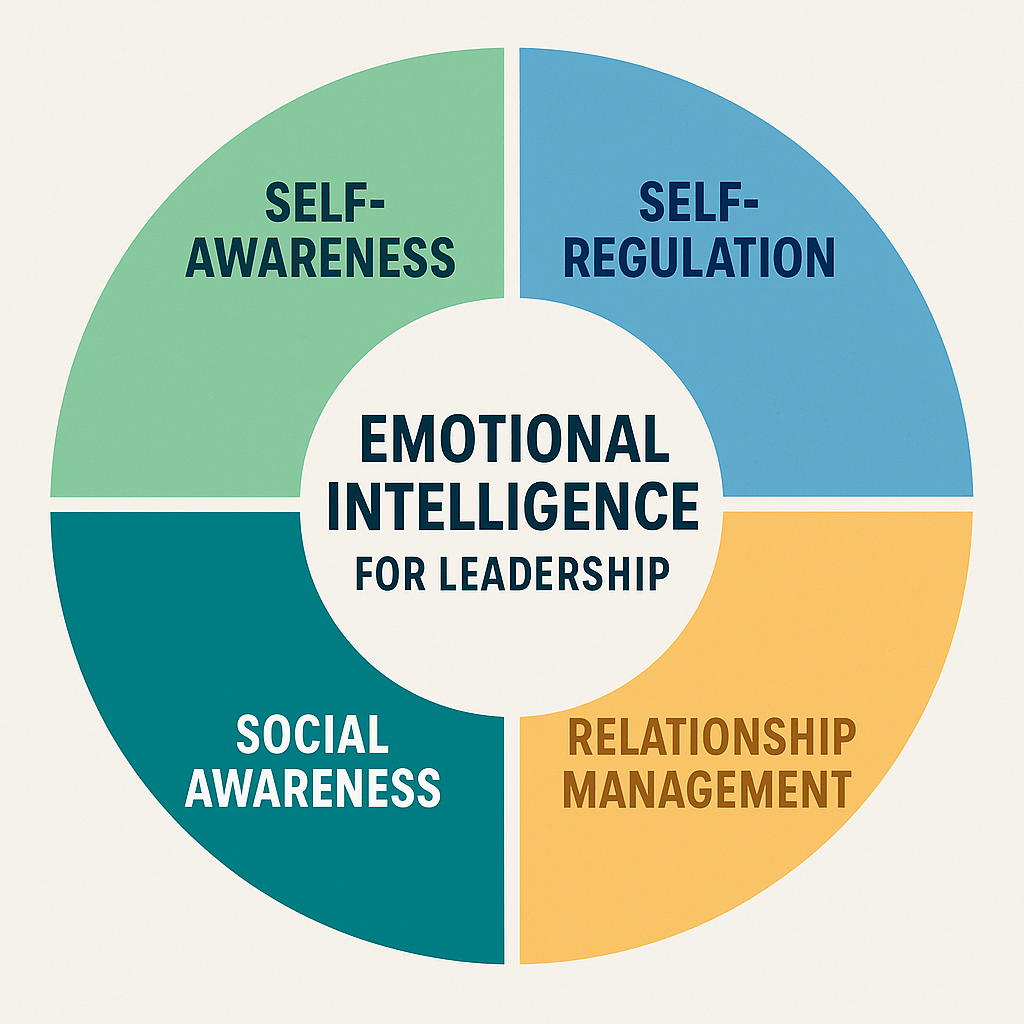
The Four Pillars of Emotional Intelligence
1. Self-Awareness – Understanding your strengths, blind spots, and emotional triggers.
2. Self-Management – Staying composed, adaptable, and intentional under stress.
3. Social Awareness – Reading the room, understanding group dynamics, and recognising others’ needs.
4. Relationship Management – Building trust, resolving conflict, and inspiring high performance.
Emotional Intelligence (EQ) and Intellectual Intelligence Compared (IQ) Compared…
Emotional Intelligence (EI)
Depth of self understanding
Conflict resolution Skills
Empathy and understanding
Relationship building skills
Inspirational Communication
Intellectual Intelligence (IQ)
High levels of analytical and problem solving skills
Fast and adaptable at learning
Strong decision making skills
Strategic thinking
Depth of knowledge in their field
Technical and functional expertise
If you want to go a step further, from IQ to EQ and then WE-Q (Collective intelligence, a terms coined by Professor Peter Hawkins) take a look at our Team Coaching services
Organisational Impacts of Emotional Intelligence

Financial - Companies with high EI leadership experience up to 30% lower employee turnover rates
Increased Performance - Teams of emotionally intelligent team leaders are 25% more productive.
Leadership Effectiveness -71 % of employers value EI over IQ when hiring
Improved career success - 90% of top performers have high emotional intelligence
Stress Reduction - EI has been shown to reduce workplace stress by up to 40%
Sources: Talentsmart research reports, HBR Articles, Center for Creative Leadership and various academic journals
How Executive Coaching Builds Emotional Intelligence
My coaching approach blends evidence-based frameworks, practical leadership tools, and real-world experience to help you:
Increase self-awareness and emotional regulation.
Communicate with clarity, empathy, and authority.
Strengthen relationships across diverse teams and stakeholders.
Lead through challenges with resilience and composure.
Develop Emotional Intelligence That Inspires Results…

Hi, I’m Edwin, a Professional Certified Coach (ICF) with an MSc in Coaching & Behaviour Change, and decades of business experience in one of the worlds most innovative Fortune 100 global conglomerates.
I’ve partnered with senior leaders and top talent like you across more than 40 nationalities. I am excited to offer bespoke professional coaching for you and your organisations.


